
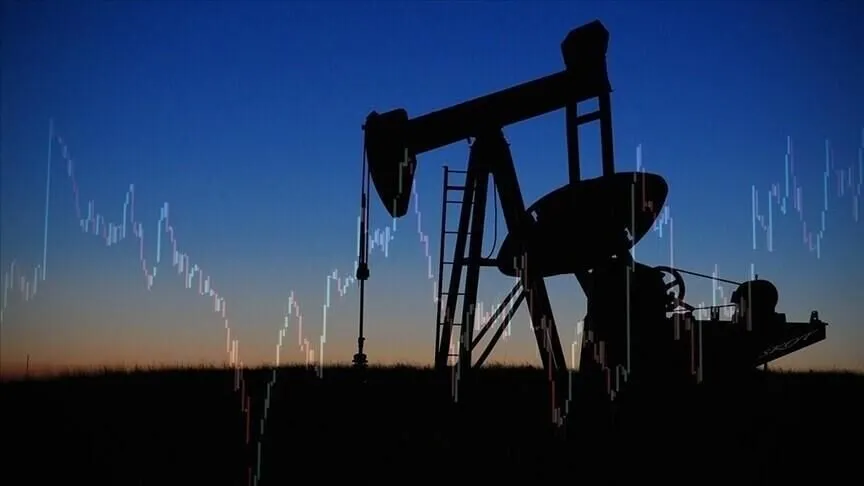
Oil prices edged higher on Wednesday as the lack of progress in negotiations between the US and Iran reinforced concerns over potential supply disruptions in the Middle East, despite continued recovery in tanker traffic through the Strait of Hormuz.
International benchmark Brent crude traded at $73.02 per barrel at 10.06 a.m. local time (0706 GMT), up around 0.1% from the previous close of $72.95.
US benchmark West Texas Intermediate (WTI) rose about 0.1% to $69.57 per barrel, compared with $69.50 in the previous session.
Oil prices found support after talks aimed at reaching a final agreement between Washington and Tehran failed to produce a breakthrough, raising concerns that regional supply risks could persist.
Although tanker traffic through the Strait of Hormuz has continued to recover, traders said the market is unlikely to fully unwind the geopolitical risk premium until the two sides make tangible progress toward a lasting agreement.
White House envoys Steve Witkoff and Jared Kushner traveled to Doha after US President Donald Trump said Iran had requested talks in the Qatari capital.
Iran denied that direct negotiations with Washington were planned, saying contacts were continuing through intermediaries. Qatar said Foreign Minister Sheikh Mohammed bin Abdulrahman Al Thani met the US envoys on Tuesday, while Vice President JD Vance said technical discussions with Tehran were underway despite Iran’s public denials.
Meanwhile, tanker traffic through the strategic waterway has continued to recover, with Vance also saying oil flows through the Strait of Hormuz have returned to pre-conflict levels.
However, Iran’s Parliament Speaker Mohammad Bagher Qalibaf, who also serves as the country’s chief negotiator, said on Tuesday that free passage through the Strait of Hormuz “is for only 60 days” under the recent memorandum of understanding with the US, leaving uncertainty over the longer-term outlook for shipping.
On the supply side, market participants also focused on US inventory data. Market sources, citing figures from the American Petroleum Institute (API), said US crude oil inventories fell by 6.1 million barrels last week, while gasoline stocks also declined.
Investors are now awaiting official inventory data from the US Energy Information Administration (EIA), due later Wednesday, for further signals on demand in the world’s largest oil-consuming country.
