

ISTANBUL
- Villas to be built to the international Passive House standard, applied collectively for 1st time in Türkiye; applications accepted as of Aug. 10
A residential project named One Planet Habitat, under development in Türkiye’s western province of Izmir, is described by the company behind it as the world’s first fully self-sufficient luxury living model — a settlement designed to produce its own energy, recover its water, grow food without pesticides and withstand earthquakes through carbon-fiber reinforcement.
“Some projects build new houses. We are building a new way of living for the generations to come,” the company said in its official press release, which describes the project as “The Settlement of a New Civilization.”
According to the statement, the model is the product of more than six years of research and development by a multidisciplinary team of academics, engineers, architects and nutrition specialists, and is intended as the first example of a new model of human settlement that can be adapted to different climates and income levels.
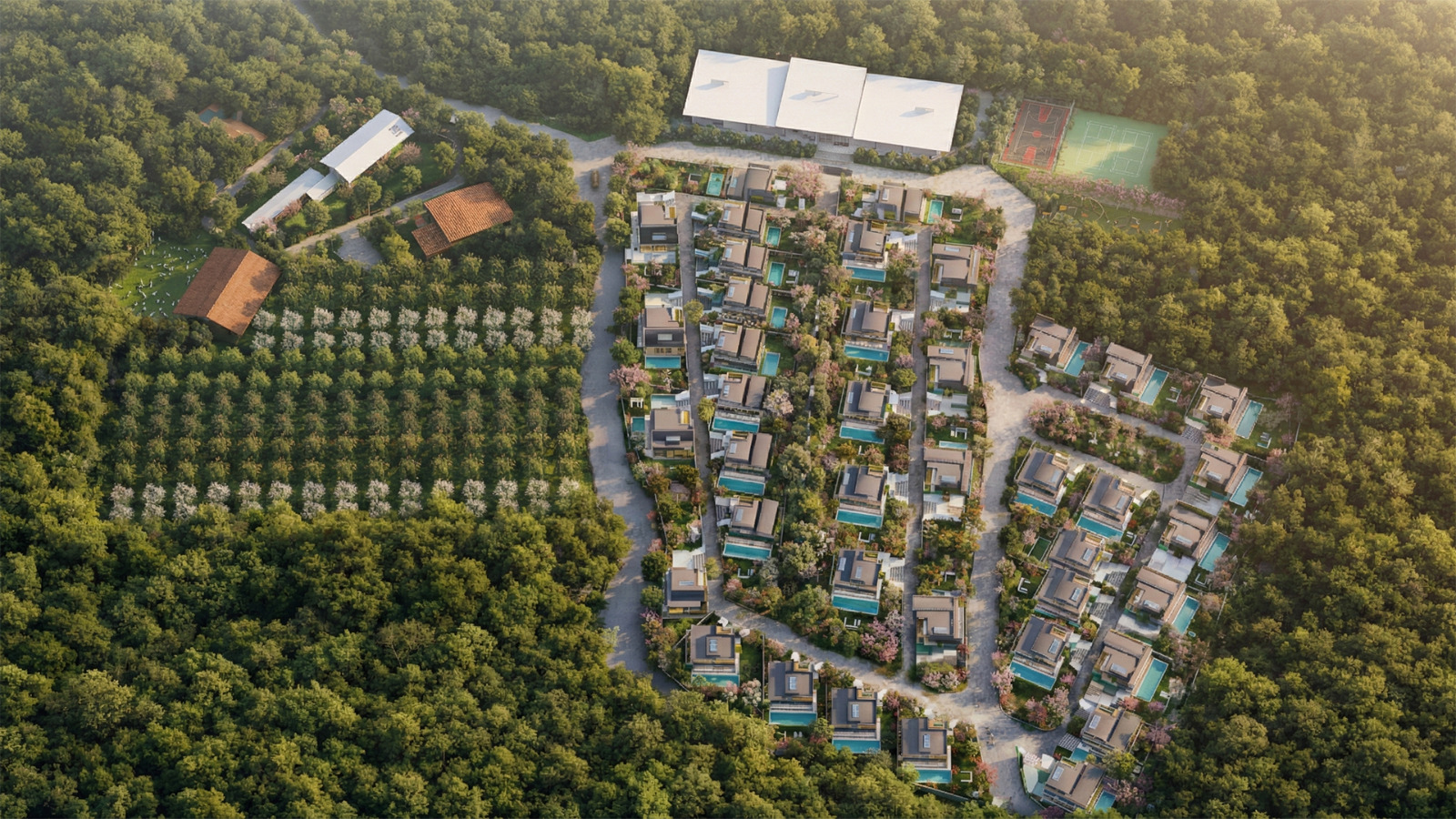
Citing a May 2026 report by the UN Environment Programme (UNEP), the company said buildings account for roughly 37% of global carbon-dioxide emissions, and that One Planet Habitat was designed to answer that reality through a Passive House insulation envelope, solar energy generated on site and trees planted across the settlement.
“The luxury of the future is not larger homes or more expensive materials,” said Payiz Yesil, a board member and director of sustainability at IZKA Construction, and an architect.
“True luxury is being able to sustain yourself without depending on anyone — knowing your energy will not be cut, that you can reach your water with confidence, and that you can produce your own healthy food,” she added.
Yesil said the aim was not to isolate residents from the outside world.
“We are not building a shelter. We are building resilient settlements where life continues without interruption, even when external systems come under strain,” she said.
Passive House standard applied collectively for first time in Türkiye
The homes will be built to the Passive House, or Passivhaus, standard developed by the Germany-based Passive House Institute and regarded as one of the most rigorous measures of energy efficiency in the world.
The standard calls for an unbroken layer of insulation enveloping the building, the elimination of thermal bridges, triple-glazed windows, an airtight shell and a heat-recovery ventilation system that supplies fresh air continuously. According to the institute, the standard reduces the energy required for heating and cooling by as much as 90% compared with typical building stock.
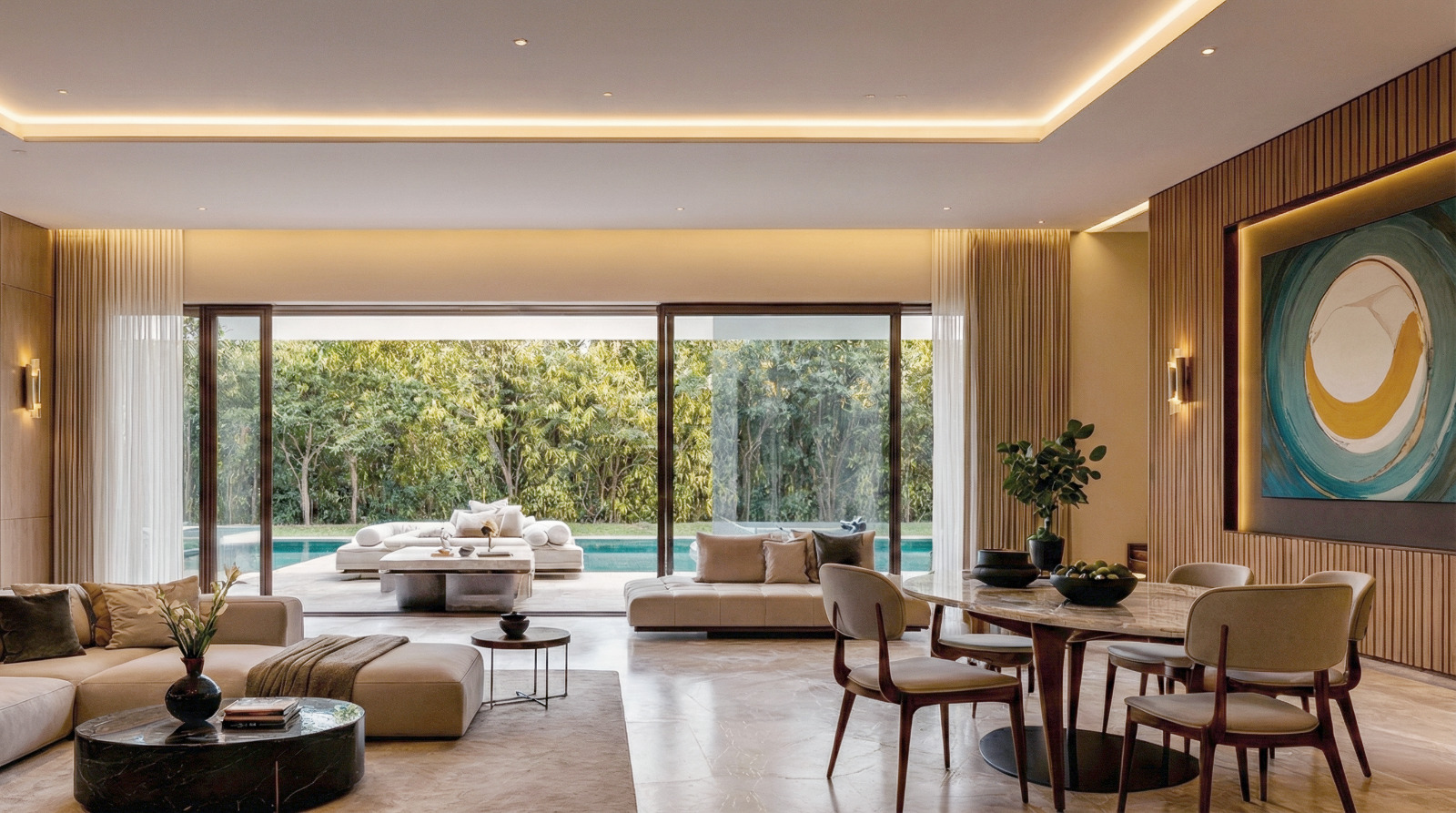
More than 52,000 units worldwide had been certified to the standard by the start of 2026, according to the institute’s data. The company says One Planet Habitat will be the first project in which the Passive House standard is applied collectively in Türkiye.
The energy, water and food cycles will be run by artificial intelligence: the villas will be equipped with an AI-supported infrastructure that operates these cycles in an integrated way and adjusts the use of resources to residents’ daily rhythms, according to the statement.
Water recovered on site, food grown without pesticides
The settlement’s integrated water management is designed to meet its needs within its own cycle — through rainwater harvesting, the controlled use of groundwater, and the treatment and return of greywater to the system.
Food production centers on aquaponic systems, which combine plant cultivation with fish farming in a recirculating water system. Such systems use up to 90% less water than conventional agriculture, according to the UN Food and Agriculture Organization (FAO).
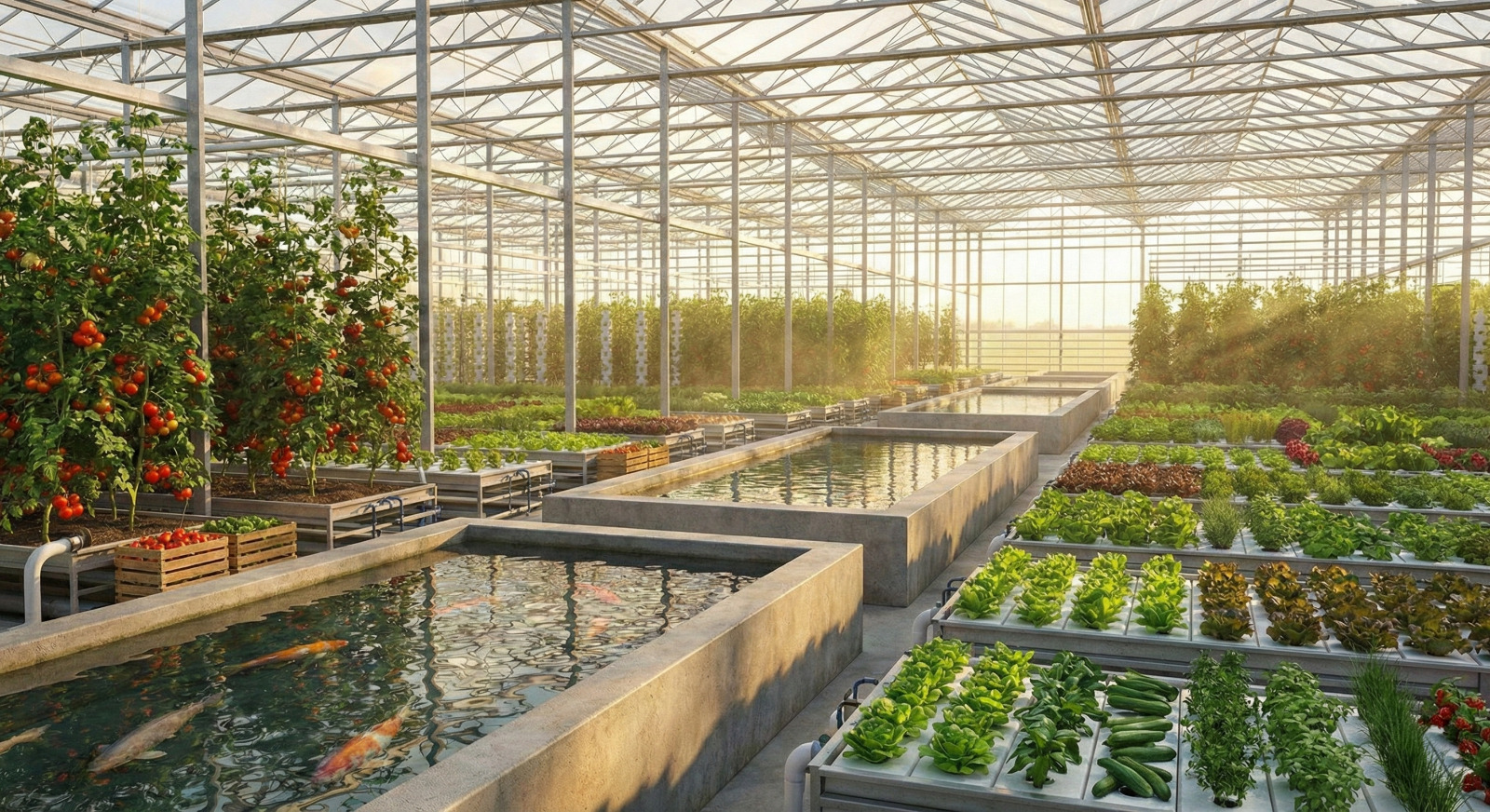
The company said the system was designed around a scientific calculation of a family’s annual nutritional needs.
Through smart greenhouses, orchards and livestock raised within the settlement, each household will be provided annually with 800 kilograms (1,764 pounds) of vegetables across 35 varieties, 500 kg (1,102 pounds) of fruit across 30 kinds, 75 kilograms of fish and 75 kilograms of shrimp, together with fresh eggs, dairy and honey.
All plant cultivation is free of pesticides, the statement said, describing this as the natural consequence of an aquaponic system in which plants and fish share the same water.
Carbon-fiber reinforcement against earthquakes
Construction will be carried out by IZKA Construction, which says it has completed more than 35,000 homes and over 350 projects during more than three decades of operations, and which holds a NATO Facility Security Clearance.
Carbon-fiber reinforcement technologies inspired by aerospace engineering will be used to improve the buildings’ performance during earthquakes, according to the statement.
‘The future can be built on Earth today’
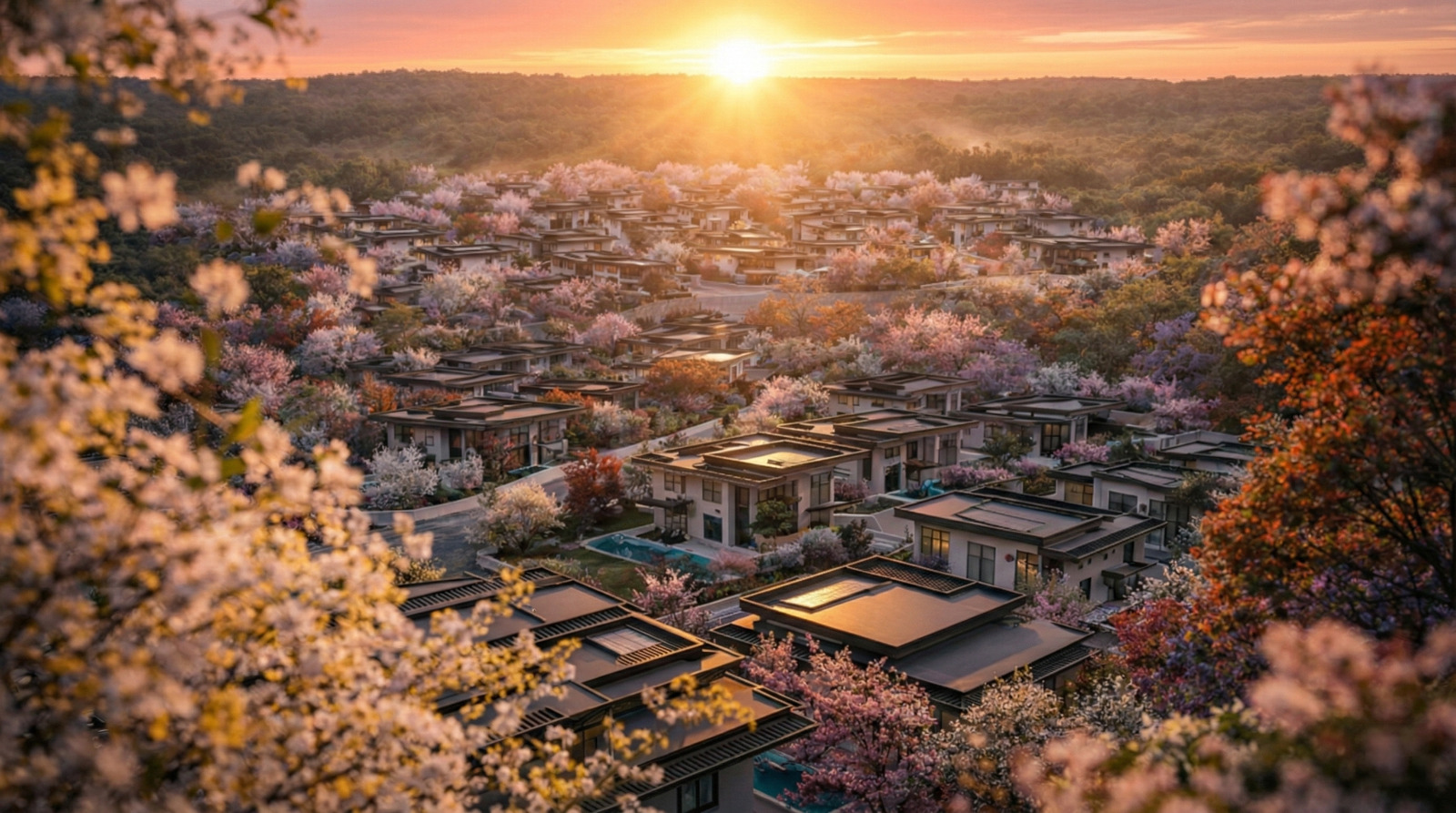
In a written statement, the Board of One Planet Habitat said: “Humanity is searching for ways to build a self-sustaining life on the Moon and Mars. We wished to answer the same question first for our own planet. The future of humanity does not have to begin on another planet; the future can be built on Earth today.”
The board said that, inspired by the philanthropic tradition embodied by Andrew Carnegie and Jamsetji Tata, the entirety of the founder’s share of the proceeds will be transferred to the One Planet Habitat Foundation, to be established in support of scientific research and the protection of nature.
“We see this project not as a success story, but as a trust to be passed on to future generations. The greatest legacy we leave behind will not be buildings, but hope,” the statement said.
The settlement will hold a limited number of villas, and applications will be considered individually with the aim of forming a community aligned with the project’s philosophy of living, the company said. Applications have been accepted since Aug. 10, 2026.
