
ISTANBUL
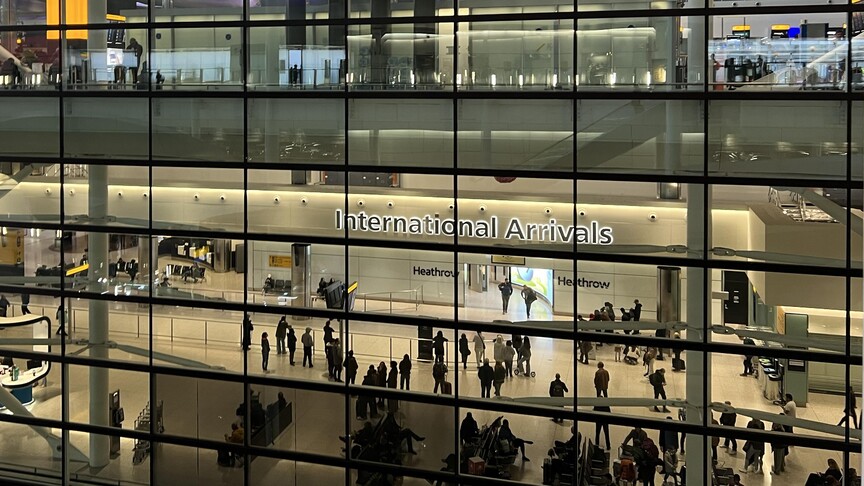
Passenger traffic at London’s Heathrow Airport declined in April as tensions and conflict in the Middle East affected international travel demand and disrupted global aviation routes.
The airport said around 6.7 million passengers traveled through Heathrow last month, marking a 5% decrease compared with the same period in April 2025 and the sharpest annual decline since March last year.
Airport officials attributed the slowdown to the impact of the Iran-Israel conflict and broader regional tensions and short-term changes in travel behavior.
Despite the overall decline, transit passenger numbers increased 10% year over year in April as travelers flying to destinations in Asia and Oceania increasingly chose Heathrow for connecting flights instead of Gulf hubs such as Dubai International Airport and Hamad International Airport.
The conflict involving Iran, Israel and the US has caused widespread disruption in global air travel, leading to flight cancellations, delays and longer travel times across multiple international routes.
Concerns have also grown within the aviation sector over fuel supply risks linked to shipping disruptions in the Strait of Hormuz, a key global oil transit route. Industry analysts warn the situation could contribute to higher ticket prices and possible fuel shortages during the summer travel season.
Heathrow Chief Executive Thomas Woldbye said overall travel demand remained resilient and fuel supplies were currently stable. He added that although passenger numbers were lower than a year earlier, April still represented Heathrow’s busiest month so far this year.
The airport said it plans to revise its 2026 passenger forecast next month. Its current estimate projects annual passenger traffic of around 85 million.
According to the International Air Transport Association, jet fuel prices averaged $181 per barrel in the week leading up to May 1, nearly double last year’s average level, amid ongoing concerns surrounding access through the Strait of Hormuz, which normally handles more than one-fifth of global oil shipments.
Last week, International Airlines Group, the parent company of British Airways, said it expected to offset most of an estimated €2 billion ($2.3 billion) increase in fuel costs this year through revenue measures and cost controls, signaling possible fare increases.
At the same time, some airlines have reportedly begun lowering summer ticket prices in an effort to sustain booking demand amid growing uncertainty in the travel market.
