
İstanbul
- Iran’s Foreign Ministry spokesman describes Tehran’s response as ‘generous and responsible’ proposal
- US President Donald Trump calls it ‘piece of garbage’
Iran has conveyed its response to the latest US ceasefire proposal through Pakistani intermediaries, with Iranian officials and media outlets shedding light on Tehran’s key demands concerning the war, sanctions relief, and the Strait of Hormuz.
US President Donald Trump rejected the response, describing it as “totally unacceptable.”
Iran’s state-run IRNA news agency said Tehran’s response was formally delivered to Pakistan, which continues to act as the official mediator between Iran and the US.
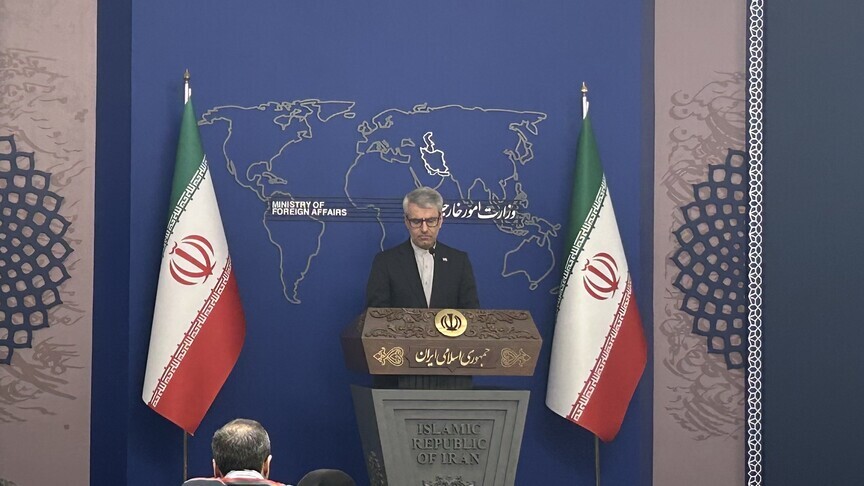
Foreign Ministry spokesman Esmaeil Baghaei on Monday described Iran’s response as a “generous and responsible” proposal, saying Tehran had not sought concessions from Washington but instead demanded an end to the war and what he called maritime piracy against Iranian ships.
The latest exchange followed marathon negotiations in Islamabad that ended without a final agreement despite more than 21 hours of talks between political and expert-level delegations from both sides.
Iranian officials and media outlets have largely blamed the deadlock on what they described as “maximalist” and “unreasonable” US demands concerning the Strait of Hormuz, Iran’s nuclear program and sanctions.
Iran’s core demands
According to Iranian media reports, Tehran’s latest proposal is based on a broader framework initially presented as a 10-point plan and later expanded into a 14-point proposal through repeated exchanges with Washington via Pakistani mediation.
Iranian officials insist the current phase of negotiations is focused primarily on ending the war and restoring regional stability rather than discussing the nuclear file.
Reports by IRNA and statements from Iranian officials indicate that Tehran is seeking a permanent and irreversible end to the war across all fronts in the region, especially Lebanon, alongside the immediate lifting of the US naval blockade and an end to attacks on Iranian commercial vessels.
Iran is also demanding guarantees against future military attacks, restoration of safe maritime transit in the Strait of Hormuz, the removal of sanctions on Iranian oil exports within 30 days and the release of frozen Iranian assets.
Iranian media reports further suggest Tehran wants recognition of a regional security role in managing transit through the Strait of Hormuz, as well as the establishment of a mechanism for compensation linked to war damages.
IRNA reported that the latest proposal envisions an initial written memorandum focused on ending the war, followed by a 30-day negotiation period for technical and expert-level discussions.
Nuclear issue not currently in focus
Iranian officials have repeatedly stressed that no negotiations on the nuclear issue will take place before a definitive end to the war.
Baghaei said Monday that Tehran’s priority remains “ending the war in all its forms” and ensuring security in the Gulf and Strait of Hormuz.
Although several foreign media outlets, including Axios and The Wall Street Journal, reported possible discussions involving uranium enrichment and Iran’s enriched uranium stockpile, Iranian officials have not confirmed any nuclear commitments in the latest proposal.
Iranian media instead described reports about enrichment restrictions and uranium transfers as speculation.
Iran has consistently maintained that uranium enrichment on its own soil is a sovereign right and that negotiations cannot proceed under military pressure.
“Whenever necessary, we fight, and whenever we see fit we use diplomacy,” Baghaei said Monday.
Trump rejects proposal
Trump reacted shortly after reports emerged about Tehran’s revised proposal.
“I just read Iran’s so-called response. I don’t like it at all. Totally unacceptable,” Trump wrote on Truth Social.
Later, speaking to reporters at the Oval Office, Trump said the ceasefire with Iran was in an “unbelievably weak” state.
“I would call it the weakest right now, after reading that piece of garbage,” referring to the Iranian response.
According to Iranian media, Tehran is waiting for an official response through Pakistani mediators rather than reacting to public comments or social media posts.
The US and Israel launched strikes against Iran on Feb. 28, triggering retaliation from Tehran against Israel as well as US allies in the Gulf, along with the closure of the Strait of Hormuz.
A ceasefire took effect on April 8 through Pakistani mediation, but talks in Islamabad failed to produce a lasting agreement. The truce was later extended by Trump without a set deadline.
