

Flexible and washable fabrics capable of generating solar power could reduce battery dependence in wearable technologies and support more distributed, personalized energy use.
Theo Hughes-Riley, associate professor in electronic textiles at Nottingham Trent University, told Anadolu that most wearable devices rely on batteries, which can add bulk and weight, particularly in portable applications.
Solar-powered textiles could help power embedded electronics as well as charge devices such as mobile phones.
Hughes-Riley said the technology has particularly strong potential for outdoor applications and sportswear, including clothing for hikers.
“A 160-by-485-millimeter solar panel produced about 335 milliwatts of power under bright outdoor conditions,” he said and added that the team have demonstrated that the textile solar panels can charge a basic mobile phone or a wearable fitness tracker.
“Larger panels or more intense light could generate more power, while panel design also affects output,” he said.
The technology is primarily intended for outdoor use. Indoor generation is lower because artificial light has a different spectrum from sunlight and windows block some incoming light, he said.
– Small solar cells integrated into yarn
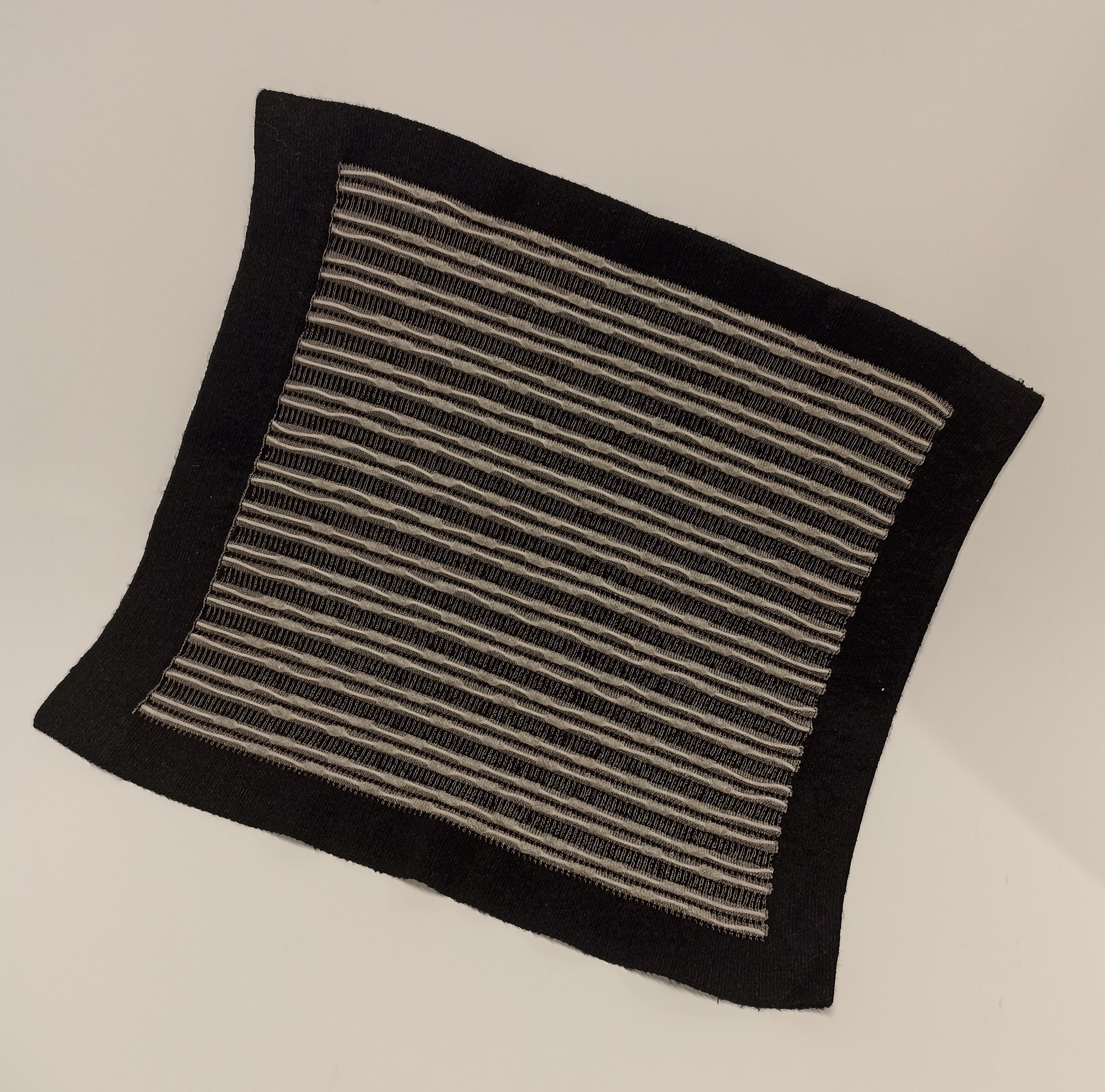
Hughes-Riley explained that the team uses electronic yarn technology to integrate solar cells into textiles while preserving flexibility and breathability.
Solar cells measuring about 5 by 1.5 millimeters are soldered onto thin, flexible wires and encapsulated with supporting yarn. Additional fibers then make the structures suitable for weaving and knitting.
“Placing the solar cells intermittently along the yarn helps preserve flexibility and breathability. The protective encapsulation and fibers also make the textile durable,” he said.
“The fabric we have developed retains the properties of conventional textiles, which is an important advantage for clothing applications,” he said adding that their textiles can withstand machine washing and the mechanical stresses of everyday use.
Solar-powered textiles are currently better suited to working with batteries than replacing them entirely, Hughes-Riley said.
“This could allow a wearable device or electronic textile to use a smaller battery, reducing its overall size,” he said.
– Manufacturing remains key challenge
Hughes-Riley said the biggest technical challenge to widespread commercial use is the manufacturing process.
Solar cells are still soldered by hand to fine copper wires, making production time-consuming and technically demanding.
The team has developed technology to automate the soldering of other electronic components to fine wires and plans to adapt it for solar-cell assembly, he said.
“These technologies could provide an alternative to batteries in some applications because they are portable, durable and lightweight,” he said.
“Textile-based solar panels can generate energy directly on the user, particularly for portable electronics and outdoor equipment, contributing to a more distributed and personalized use of renewable energy,” Hughes-Riley said.
